

BACK TO SCHOOL
 The Green Herbalit Clinic Blog
Ideas for parents to help their children keep healthy throughout the school year
Starting school (or going back to school) is a normally really exciting time and we want our children to enjoy starting school and to be ready to learn. Once you have sorted out the school uniform, got the correct rug sack (or a bag), all the necessary stationary and the all-important shoes – it is time to think about what the transition going back to school / going to a new school is like.
I am sure that we all remember being excited or a bit nervous about starting school in September.
Being “school ready” can be a mission in today’s terms; making sure that your child has strong social skills, individuality and independence of their own personal care and a desire to learn, are just some of the few characteristics needed to thrive in a school environment.
Here are some things that might be helpful
Hygiene
 It’s no secret that washing little hands can help prevent the spread of bugs and germs. Good hand hygiene (washing your hands with soap) is one of your first defences against ‘bugs’ that cause health conditions. Remembering to talk about handwashing with soap and water, especially after a trip to the toilet goes a long way to preventing nasty tummy bugs. A great way to show how germs can linger and spread is by letting your little one cover their hands in paint (let’s pretend the paint is germs) and then try washing it all off… not as easy as it sounds!
Using a tissue to deal with sneezes, and runny noses (and there might be a lot of those) is good practice and in the absence of tissues – an excellent way to prevent a spread is sneezing into your elbow.
Diet and Nutrition
Your child’s diet is the foundation of health, well-being, and a strong immune system. A balanced and colourful plate full of all food groups provides all the macro and micronutrients necessary for optimal health
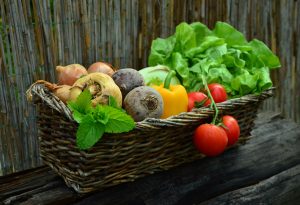 Although we are familiar with the food the children should eat, it is sometimes an uphill struggle with daily time limitations, intolerances and let’s not forget picky eaters! However, although your best efforts to ensure that they have a good foundation for health, it is easy to load up with saturated fats, sugars and carbohydrates and ignore the good groups. If after all your efforts, you feel that your child’s health is not in the best state; there are some good supplements that provide good body identical vitamin and mineral levels, in tablet, chewable or effervescent form. If the diet lack fish or good unsaturated fats – it is beneficial to supplement with Omega 3 fats. Good vitamin and mineral levels (in intermittent use) help nourish and support the growth, skin, eyes and immune system of your child, as well as support concentration and memory functions.
Digestive Upsets
 Although digestive processes matured when your child reached 6-8 months their developing gut is still unfamiliar with various bacteria, viruses, food and environmental factors.
Some tips to mitigate any upset tummies would be to wash and cook food properly and to support their digestive functions with a healthy diet packed with fresh vegetables and fruit and yoghurt, some good lean protein and carbs.
The microbiome in the gut is a good balance of symbiotic microbial cells. They all contribute to successfully supporting our digestion and therefore our well-being. With gut-compromising elements and dehydration, it’s no wonder young children suffer from digestive upsets or constipation. To help maintain a healthy gastrointestinal population of the microbial cells in your child’s gut when faced with upsets, diet-based pre- and probiotics and adequate hydration are a must.
It is always important to remember that digestive upsets might be caused by bacterial infection and therefore warrant a visit to GPs.
Healthy Growing Bones
Bone health
Bones are the scaffolding that supports your child’s developing body. Far from being inert and idol, bones are living tissues that are constantly adapting to the demands of modern life, with old bone being removed and replaced in a process called ‘resorption’. It can be helpful to think of the skeletal system as a bank account. With your help and guidance, your child can make ‘deposits’ and ‘withdrawals’ of bone tissue. Nurturing your child’s ‘bone bank’ is similar to saving for their university education: the more they put away when they’re younger, the longer the nest egg will last as they get older.
Throughout childhood and adolescence, significantly more bone is deposited than withdrawn as the skeleton develops in both density and size. Bone mass (the amount of bone tissue in the skeleton) peaks in the late twenties. At this age, bones have reached their optimal density and strength. Approximately 90 per cent of peak bone mass is attained by the age of 18 in girls and 20 in boys, meaning childhood really is the best time to invest in bone health.
It’s possible that coughs, colds, and scraped knees will dominate the conversations you have about your child’s health – not bones. But, in truth, there’s no better time to start thinking about bone health than childhood. This stage of life will lay the foundation for your child’s skeletal system (in fact whole body including the immune system) in the coming years. You see, the lifestyle habits developed in youth can make, and literally break, bones as they age. Here’s everything you need to know about nourishing your child’s bones.
Factors that affect peak bone mass
Myriad factors will affect your child’s bone health as they grow – some you can influence, like nutrition and exercise, and others you can’t, like gender and hormones.
Gender
Typically, bone mass density is much greater in men than in women. Prior to puberty, boys and girls are on an equal playing field when it comes to bone mass. After puberty, however, boys will usually attain higher bone mass than their female counterparts.
Hormones
The sex hormones – oestrogen and testosterone – are vitally important in the development of bone mass. If a girl frequently misses her period, it may signal that she has lower bone density. On the other hand, those who start menstruating at an earlier age usually have higher bone density.
Promote exercise
 Exercise is another powerful weapon to cultivate strong bones, providing the greatest benefits in the areas of the body that bear the most weight, such as the hips during running. Aerobic exercise will keep that bone density good. Children model themselves on us and that’s where we as adults can be role models by eating proper nutritious meals and having adequate exercise.
Just like muscles, bones get stronger the more work they do. And that’s why exercise needs to be a foundation of your child’s lifestyle. While any form of physical activity is great, such as – dancing, tennis, running, walking, football, basketball, and hiking – is very beneficial for bone health. Ultimately, if you want to encourage your child to move more and sit less, a lifelong love of exercise is one of the best gifts you can give them. The NHS suggests children and young people (aged 5 to 18) should be active for at least 60 minutes every day
Running, jumping, cycling, kicking or throwing a ball are all great ways for your child to be active. The fact is that being physically active leads to strong muscles and bones, a healthy weight and normal cognitive function. An active lifestyle goes a long way in supporting mental well-being.
Motivating children to be energetic can be like pushing water up a hill, but there are fundamental rules you can follow to help engage your child. Choose age-appropriate activities. This might come in form of giving your child varied opportunities to be active; clubs, classes or playground visits, and above all focusing on FUN.
Ensure your child is eating enough
Eating too little can deprive the body of vitally important nutrients, wreak havoc with metabolism, and interfere with hormone production. Dropping into a calorie deficit can severely compromise bone health in childhood and adolescence.
Warn against smoking
Surprised to see this mentioned here. Don’t be. This very addictive habit often starts in adolescence. Beyond affecting heart and lung health, cigarette smoke threatens bone health, too. Data consistently reference links between smoking and an increased risk of fractures. One of the best things you can do as a parent is to warn your child against smoking. Don’t forget your lifestyle will also rub off on your children. Try to be expert role models and avoid smoking yourself – and certainly not in front of your kids.
Recipes -
Recipe Ideas for even the fussiest of kids
It’s normal to be a little fussy about food when growing up, but that doesn’t make your life any easier. Getting the youngsters to choose their breakfast the night before could be the solution to those maddening mornings as you try to race out the door to get them to school on time. Starting the day with a nutritious and healthy meal will support concentration, mood and energy levels so don’t go half-hearted into this important chow time.
Overnight Oats Recipe
½ cup of oats
1 cup of milk
Then you can add any extra flavours you would like! One small cored and grated apple, 3 tablespoons of chia seeds, 1 tablespoon of nut butter, 1/2 teaspoon of cinnamon. Involve your little in the preparation and flavours.
Method
All you need to do is mix the oats and milk together and chill in the fridge overnight.
Serves 1 hungry child
Struggling with breakfast ideas?
Well, evidence suggests that a protein, fibre-rich start to the day will sustain your child’s morning right up to snack time. Try eggs on toast or homemade granola, adding dried fruits and nuts will add valuable fibre, porridge with a banana, and the occasional pancake will always put a smile on that cute little face. A trendy smoothie is also a fabulous way to ensure your child gets a nutritional power punch of goodness! You can even sneak in some of those dreaded green vegetables as they can be hidden by the taste of the fruit that kids love.
Homemade Granola Recipe
2 Cups of oats
½ cup of nuts / dried fruit
¼ cup of pumpkin seeds or sunflower seeds
2-3 tablespoons of honey
2 tablespoons of oil (whatever you have handy but preferably olive)
Optional Extras
½ teaspoon of vanilla or almond extract
1/2 teaspoon of cinnamon
Method
Preheat the oven to 180 degrees C.
Combine all the ingredients in a mixing bowl and mix well. Spread the mixture in a thin layer on a baking sheet with parchment paper and bake until golden – This should have 15-20 mins. Check at regular intervals and mix to get even cooking.
Cool before serving and storing.
Keep in an airtight container and store in a dry, cool place for up to 2 weeks.
Chewy Energy Balls Recipe
50g oats
5 large pitted dates
3 Dried Apricots
4 tbsp smooth peanut butter (or any nut butter)
1 tbsp Chia Seeds
2 tbsp cacao/cocoa powder
1 tbsp sesame seeds
Method
Blitz all the ingredients to form a stiff dough (add a little more peanut butter if the mixture is too dry). Makes about 10 balls.
Place the mixture in the fridge to chill for 15-20 minutes.
Once chilled, divide the mixture into 10 portions using your hands or a scoop.
Roll each portion into a ball and set it aside. Scatter the sesame seeds on a large plate and roll each ball in them until covered.
The balls will keep in the fridge for up to a week (though don’t be surprised if they don’t last that long!).
Ideas to Liven up their lunchbox
Preparation is key to minimising stress levels (specifically yours) when it comes to the packed lunch. Variety is a challenge so planning the week’s lunch box in advance will take the pressure off. Make the lunch box up the night before, and perhaps include leftovers from the night’s meal. It’s key to remember to get all the food groups you can into their lunch box. Take a look at our Wholefoods range for some great lunchbox additions.
Focus on fresh vegetables, fruit and healthy fats like the ones found in nuts and seeds, and carbohydrates such as wholegrain bread. Whatever you decide goes into that box, colour, flavour and variety will gain you brownie points and most importantly a happy child.
Egg Muffins
2 eggs
A handful of chopped veggies, meats or cheese
Method
Preheat the oven to 180 degrees.
Whisk the eggs and add the veggies, meat and cheese – The options are endless.
Divide the mixture into a lined cupcake or muffin tin.
Bake for about 10-15 mins.
Nutrition (vitamins and minerals important to health)
The best way to ensure your child receives enough vitamins and minerals for healthy growth and development is to provide a wide variety of fresh foods from the five food groups including whole grain bread and cereals, vegetables, fruit, meat, fish, poultry, eggs, nuts and legumes, and dairy products such as milk, cheese and yoghurt.
Cram in calcium
Yes, the well-worn cliché rings true: calcium is delicious bone food. Alongside being a building block of your child’s skeleton, this mineral is needed for nearly every biological function. Calcium’s movement and regulation of calcium ions (Ca2+) in (via the gut) and out (via the gut and kidneys) of the body, and between body compartments: the blood plasma, the extracellular and intracellular fluids, and bone, depending on dietary intake / and the level of the body’s needs of calcium. A long-term low intake can result in this can make the bones soft, brittle, porous, and prone to breakages. Good calcium source is dairy: milk, yoghurt, and cheese (side note: ripe cheese is a rich source of the bone-bolstering nutrient vitamin K, too). But if your child cannot or won’t eat dairy products, fear not. Dark leafy green veggies (kale, broccoli, and spinach), canned fish (salmon, sardines, and tuna), almonds, seeds, beans, and lentils also deliver a tasty amount of calcium. To ensure your child is getting enough of this bone-bolstering mineral, try serving a portion of calcium-rich food at every mealtime.
Vital vitamin D
Vitamin D helps regulate the amount of calcium and phosphate in the body and without adequate levels of vitamin D, even a good calcium-rich diet. These bone-building nutrients work in tandem to keep bones strong and healthy: calcium strengthens bone, and vitamin D supports the proper absorption and utilisation of calcium. Ultimately, intake of calcium and vitamin D must be optimal to fully realise the impact of each nutrient on your bones. That’s why you need to encourage your child to get as much vitamin D as possible. From late April to September, it’s possible for your little one to get enough vitamin D from 15-minutes of direct sunlight each day (if they’re spending any more time in the sun, be sure to whip out the sun cream!). When natural sunlight isn’t so readily available in winter, encourage them to eat more vitamin-D-rich foods, such as oily fish (salmon, trout, mackerel, and herring), some pork products, eggs, mushrooms, and fortified foods like orange juice, bread, and milk. Alternatively, you could add a vitamin D supplement that packs 10mcg to your child’s diet.
Little is mentioned of the third nutrient hero in bone health; magnesium. What is for sure is that adequate levels of this mineral are essential for the absorption of vitamin D and calcium. Magnesium helps convert vitamin D into its active form which in turn assists the uplift of calcium. You can support your child’s active lifestyle beginnings by including leafy green vegetables, whole grains and nuts, to name a few, in their diet.
Adequate intake of calcium and vitamin D is a building block of happy, healthy bones. A well-balanced diet delivering optimal levels of magnesium, zinc, vitamin C, and omega-3 is essential, too.
Vitamin E
Vitamin E strengthens the body's immune system. It also helps keep blood vessels clear and flowing well and helps with the development of healthy skin and eyes. Vegetable oils such as sunflower and safflower oils, as well as nuts and seeds including almonds, hazelnuts and sunflower seeds, are excellent vitamin E sources.
Iron
Iron helps red blood cells carry oxygen throughout the body.
You get Iron from eating red meats and other animal products that are high in iron. Non-meat sources of iron include dark green leafy veggies (spinach, collard greens, kale) and beans such as kidney, navy, lima, and soy.
Vitamin A
You need vitamin A for eyesight, healthy skin, growth, development and good immune function. You get vitamin A from the liver, meat, milk, eggs, and orange fruit and vegetables like carrots and sweet potatoes.
Vitamin B1 (thiamin)
You get vitamin B1 from fish, meat, yeast extracts (like Vegemite), wholegrain bread and fortified breakfast cereals. Vitamin B1 helps release energy from foods so that the nervous system and muscles work properly.
Vitamin B2 (riboflavin)
Vitamin B2 helps release energy from food. You get vitamin B2 from milk, yoghurt, meat, cheese, yeast extracts, eggs, wholegrain bread and fortified breakfast cereals.
Vitamin B3 (niacin)
Vitamin B3 helps release energy from food. You get Vitamin B3 from meat, fish, chicken, nuts and yeast extracts.
Vitamin B6 (pyridoxine)
Vitamin B6 releases energy from protein and helps with red blood cell production and brain function. You get vitamin B6 from meat, fish, wholegrain foods, vegetables and nuts.
Vitamin B12 (cobalamin)
Vitamin B12 helps with red blood cell production and promotes growth. You get vitamin B12 from animal foods including meat, fish, eggs and milk, and also from some fortified breakfast cereals.
Vitamin C (ascorbic acid)
Vitamin C builds collagen and helps you fight infections and absorb iron from food. It also keeps teeth, bones and gums healthy. You can lose some vitamin C when you cook food. You get vitamin C from fruits and vegetables, especially citrus fruit, kiwi fruit, capsicums and potatoes.
Vitamin E
Vitamin E helps maintain healthy skin and eyes and strengthens the body's natural defence against illness and infection (the immune system). You get vitamin E from sunflower and canola oils, margarine, seeds and nuts.
Vitamin K
The healthy bacteria in your gut also make vitamin K. Vitamin K is important for helping your blood clot. You get vitamin K from green leafy vegetables like broccoli and spinach, and also from eggs and beans.
Folate (folic acid)
Getting enough folate before and during pregnancy can help prevent neural tube defects. Cooking and processing food – for example, as part of the tinning process – reduce the amount of folate in food. You get folate from green leafy vegetables, liver, legumes and wholegrain bread and cereals. Folate helps you absorb protein and form new blood cells and DNA.
Minerals and how to get them
Here’s a list of the minerals you and your family need and how to get them.
Calcium
You get calcium from dairy products like milk, cheese and yoghurt, fish with edible bones, like sardines and salmon, tofu and some green leafy vegetables, like kale and Bok choy. Calcium builds strong bones and teeth.
Iodine
You get iodine from seafood, vegetables grown in iodine-rich soil, iodised salt and bread made with iodised salt. Most bakery and supermarket bread is made with iodised salt, which will give most people enough iodine. Iodine is essential for normal growth and tissue development and helps control the ways your cells make energy and use oxygen. Pregnant women need higher levels of iodine.
Iron
You get iron from meat, liver, chicken, seafood, dried beans, egg yolks and fortified breakfast cereal. Iron is especially important for brain function and red blood cell production, and it also helps carry oxygen around the body.
Zinc
You get zinc from meat, chicken, seafood, milk, seeds, tofu and wholegrain cereals. Zinc helps with growth, wound healing and immune system function.
Other essential minerals include phosphorus, magnesium, copper, manganese and chromium.